Choosing the right industrial cable is about more than matching voltage ratings or conductor sizes. Industrial equipment operates under different electrical, environmental, and mechanical conditions, and a cable that performs well in one application may fail prematurely in another. Whether you are sourcing cables for factory automation, control systems, robotics, or outdoor equipment, this guide explains the key selection factors and how to compare suitable cable solutions.
1. Identify Your Application
The first step in industrial cable selection is understanding what the cable needs to do. Power transmission, signal control, data communication, and continuous mechanical movement require different cable constructions. Choosing by a generic product name alone can lead to unnecessary costs or performance problems.
Common industrial cable categories include:
| Cable Type | Typical Application | Key Selection Factors |
|---|---|---|
| Power Cable | Motors and industrial machinery | Voltage, current, conductor size, installation conditions |
| Control Cable | Control panels and automation systems | Core configuration, flexibility, EMI |
| Instrumentation Cable | Sensors and measurement systems | Shielding, conductor pairing, signal integrity |
| Industrial Data Cable | Industrial Ethernet and communication networks | Transmission performance, shielding, connector compatibility |
| Continuous-Flex Cable | Robotics, drag chains and moving equipment | Bend radius, flex life, torsion resistance |
For example, a stationary cable inside a control cabinet may not need the same mechanical construction as a cable installed in a continuously moving robotic arm. Start by identifying the cable's function, installation location, and operating conditions before narrowing down the product category.
2. Check the Key Technical Requirements
Once the application is clear, evaluate the electrical, environmental, and mechanical requirements. These factors determine whether a cable can operate safely and reliably throughout its intended service life.
Electrical ratings and conductor size
Confirm the system voltage, expected operating current, conductor material, number of cores, and required conductor cross-sectional area. Cable sizes may be specified in AWG or square millimeters (mm²), depending on the market. The appropriate conductor size depends not only on current but also on installation method, ambient temperature, grouping, cable length, and permissible voltage drop. For longer runs or demanding loads, voltage drop and applicable installation rules should be checked before finalizing the size.
Insulation and jacket materials
Insulation provides electrical separation, while the outer jacket protects the cable against mechanical and environmental exposure. Common material choices include:
- PVC: A widely used, cost-effective material for many general industrial applications. Performance depends on the specific compound and its ratings.
- XLPE: Cross-linked polyethylene insulation offers useful thermal and electrical properties for appropriately rated power and industrial cables.
- PUR (Polyurethane): Often selected for cable jackets requiring abrasion, oil, or mechanical resistance, depending on the formulation.
- TPE: Thermoplastic elastomers can provide flexibility and environmental resistance in suitably designed industrial cables.
- Silicone: Used in certain applications requiring flexibility across demanding temperature conditions, subject to the cable's specified ratings.
Material names alone do not guarantee performance. Always check the manufacturer's datasheet for the actual temperature range, chemical resistance, flame performance, and intended installation conditions.
Flexibility and mechanical movement
A cable designed for occasional bending is not necessarily suitable for continuous movement. Drag chains, robotic arms, and automated handling systems can expose cables to repeated bending, torsion, abrasion, and acceleration. For dynamic applications, review the manufacturer's specified minimum bend radius, travel distance, operating speed, torsion limits, and flex-life test conditions.
Shielding and electromagnetic interference
Industrial environments often contain motors, variable frequency drives (VFDs), switching equipment, and other sources of electromagnetic interference (EMI). Depending on the application, foil shielding, braided shielding, twisted pairs, or combined constructions may help protect signal quality or reduce interference. Shielding effectiveness also depends on correct installation, grounding, and termination.
3. Verify Standards and Certifications
Industrial cable requirements vary by application and destination market. Before purchasing, identify the applicable product and installation standards, along with any customer-specific approval requirements.
Common references include IEC standards for electrical cable design and testing, UL standards and certification programs relevant to certain North American applications, and CSA requirements applicable to the Canadian market. The exact standard depends on the cable type and intended use. Regulatory requirements such as RoHS may also apply to relevant products and markets.
When reviewing a supplier, distinguish between a general compliance claim, a manufacturer's test report, and a valid third-party certification covering the specific product. Request relevant datasheets, certificates, and test documentation, and verify their scope where necessary.
For OEM projects, confirm these requirements early. A cable that appears technically suitable may still require additional verification before it can be used in the intended equipment or market.
4. Avoid Common Industrial Cable Selection Mistakes
Many cable problems result from overlooking the actual operating conditions rather than choosing the wrong nominal conductor size. Two common examples illustrate why application-specific selection matters.
Mistake 1: Using ordinary flexible cable in continuous-motion equipment
A cable described as flexible may perform well during installation or occasional movement but fail prematurely inside a drag chain. Repeated bending can damage conductors, insulation, or shielding if the cable was not designed for the motion profile. For robotics and automated machinery, select a construction rated for the intended dynamic movement and review the manufacturer's test conditions.
Mistake 2: Ignoring EMI requirements in motor-drive applications
VFD systems can introduce electrical noise and voltage stresses that require special consideration. Using an unsuitable cable or incorrect shield termination may contribute to interference and reliability problems. Review the drive manufacturer's recommendations, cable ratings, shielding construction, grounding method, and installation requirements.
Other frequent mistakes include overlooking temperature derating, assuming all cables with the same jacket material offer identical resistance, and selecting products based on price without confirming the complete construction.
5. Compare Industrial Cable Suppliers Beyond Price
Two industrial cables may share the same nominal conductor size, core count, and voltage rating while differing in construction, materials, testing, and suitability for the intended application. These differences can affect performance, service life, and total purchasing cost.
For example, two suppliers may quote a four-core, 1.5 mm² PVC cable. However, one may offer a general-purpose construction while another proposes a cable with finer conductor stranding, a specifically rated oil-resistant jacket, and documented flex testing. Neither option is automatically better: the correct choice depends on the application and the evidence supporting the claimed performance.
When comparing manufacturers, look beyond the quoted unit price:
| Comparison Factor | What to Verify | Why It Matters |
|---|---|---|
| Cable Construction | Conductor, insulation, jacket, shielding | Ensures the proposed cable matches technical requirements |
| Documentation | Datasheets, test reports, certifications | Supports compliance and performance verification |
| Manufacturing Capability | Production experience, customization, capacity | Helps determine whether the supplier can meet project needs |
| Sample Verification | Sample availability and relevant testing | Helps identify problems before mass production |
| Quality Control | Material traceability and production consistency | Reduces the risk of inconsistent product quality |
| Commercial Terms | MOQ, lead time, packaging, total cost | Supports a more complete purchasing comparison |
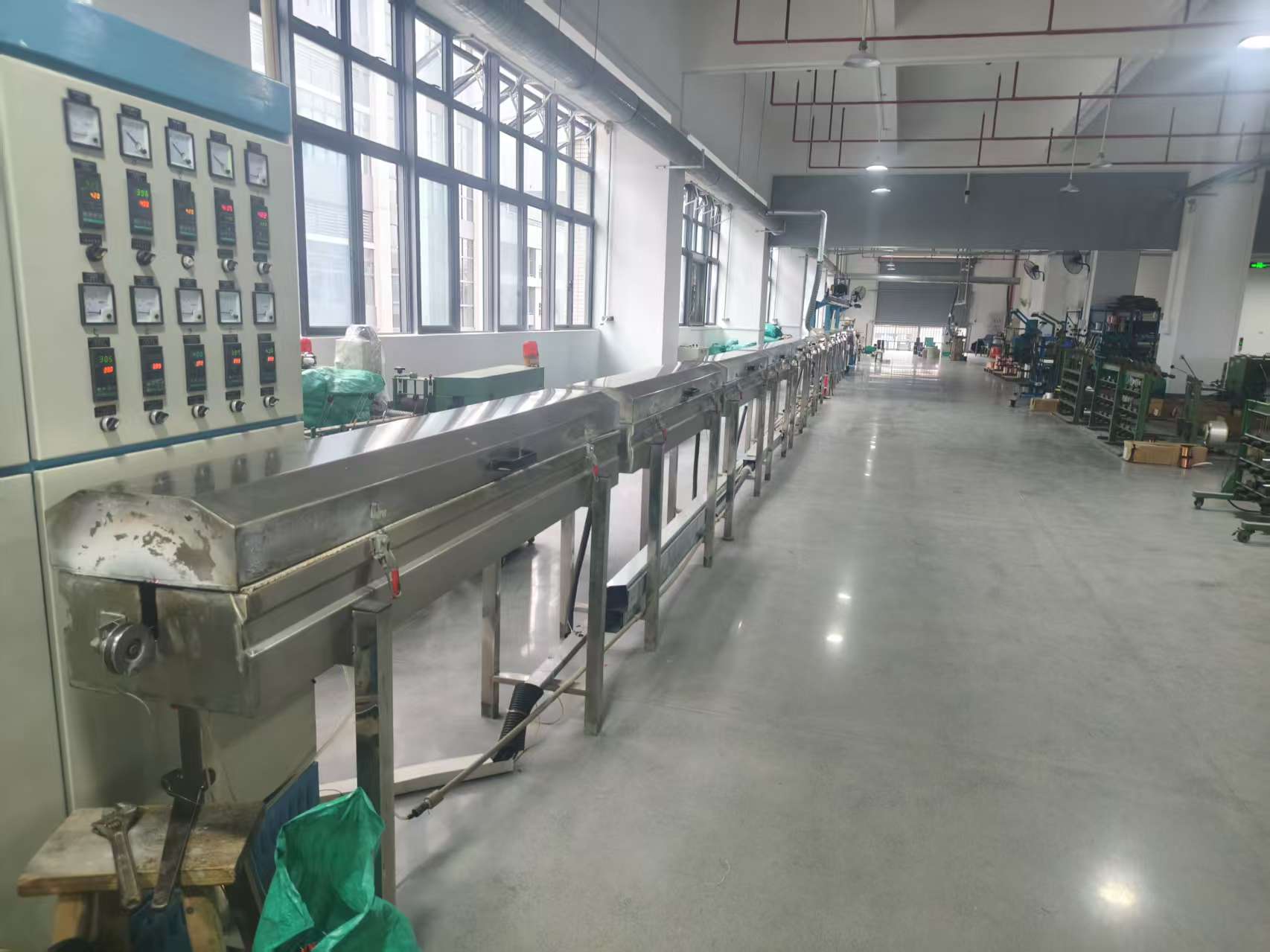
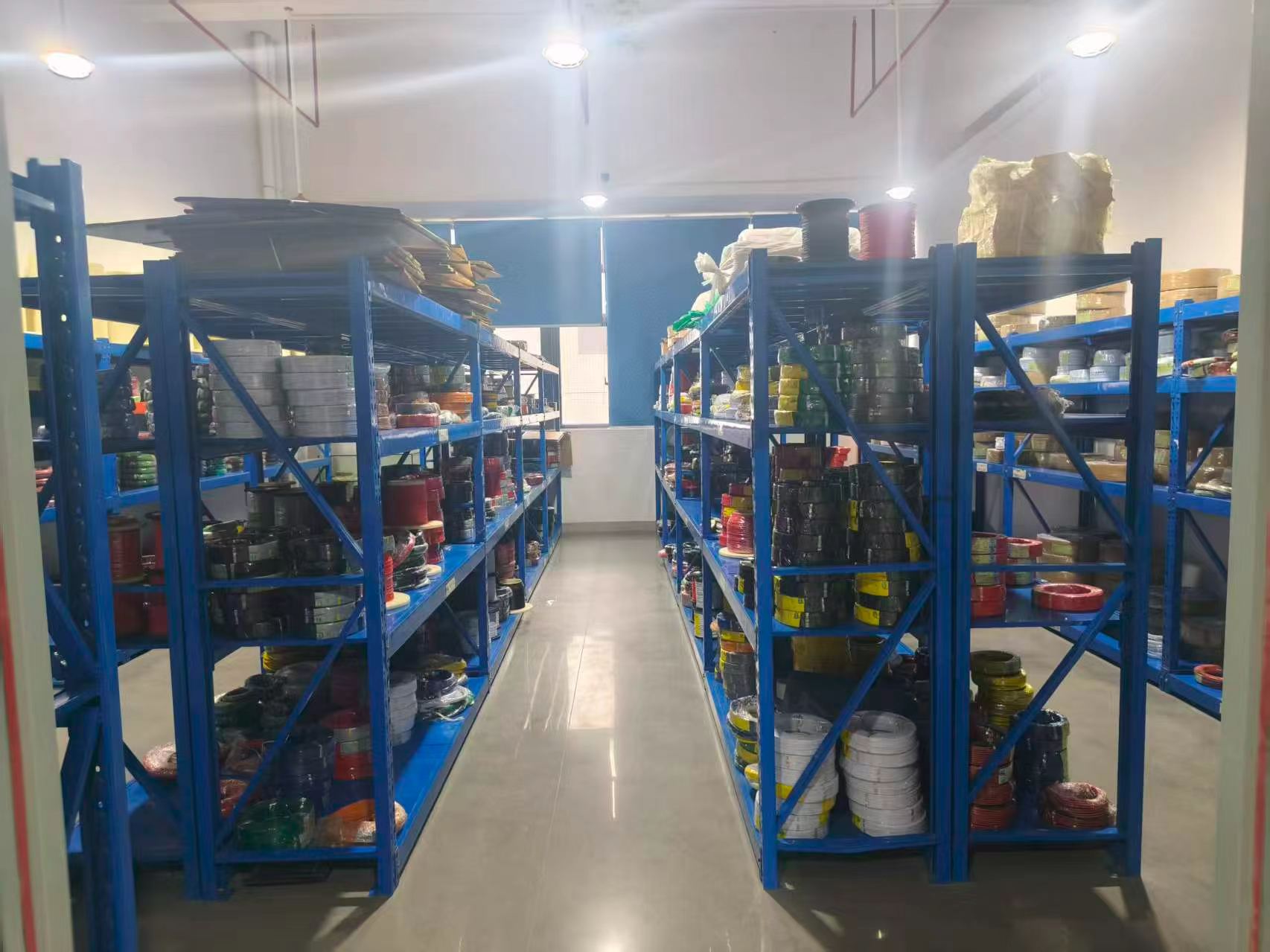
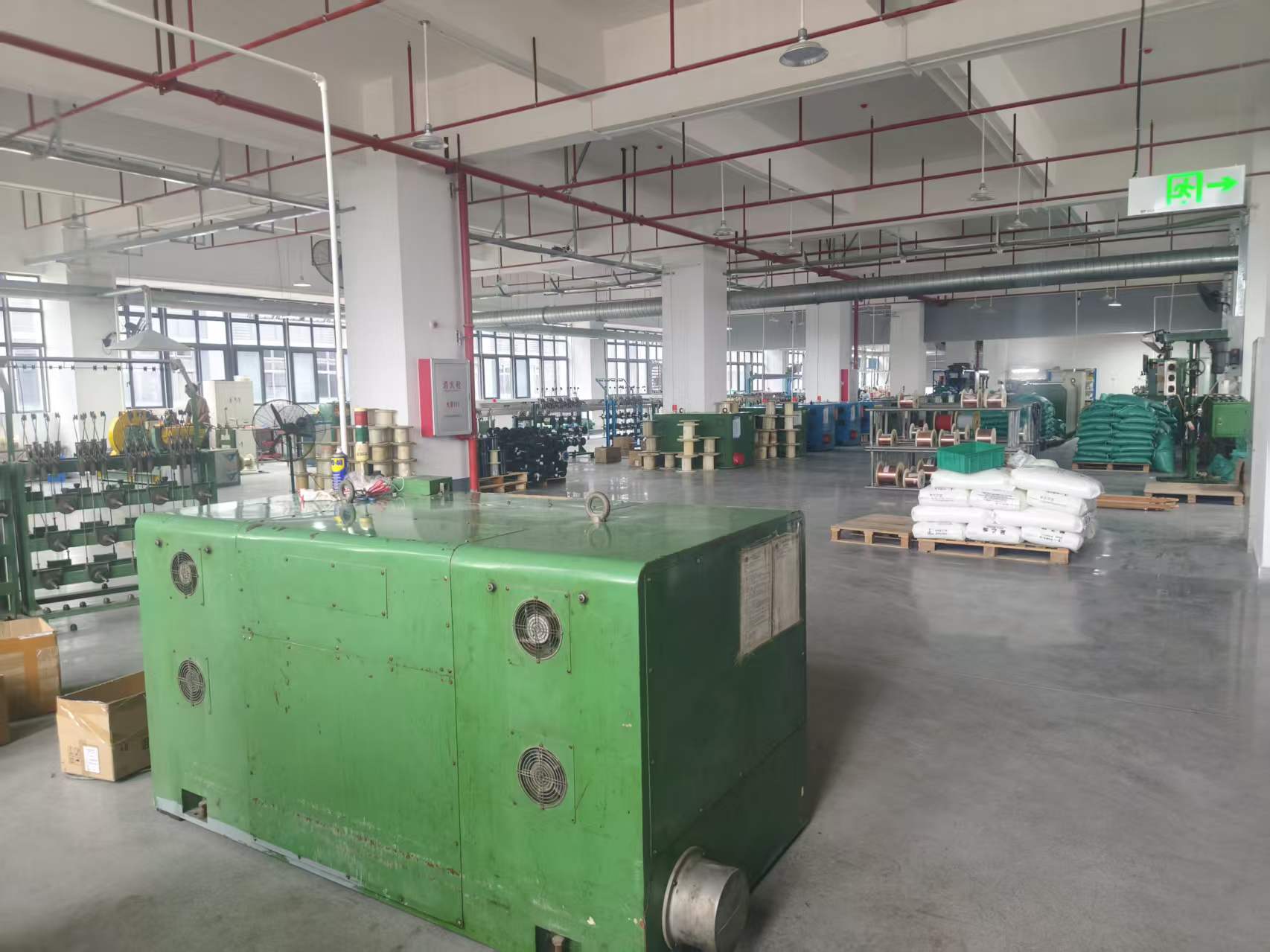
As a cable sourcing partner in Guangdong, China, FlexnLink helps international buyers communicate technical requirements, identify suitable manufacturing partners, compare cable and component options, and coordinate sampling, inspection, and production follow-up. The goal is to make supplier evaluation more transparent and reduce avoidable sourcing risks.
6. Prepare Your Industrial Cable RFQ
A clear request for quotation (RFQ) helps suppliers recommend suitable products and provide comparable offers. Before contacting manufacturers, prepare the following information:
- Application: Equipment type, cable function, and installation location.
- Electrical specifications: Voltage, current, conductor size, core count, and cable length.
- Operating environment: Temperature range and exposure to oil, moisture, UV, or chemicals.
- Mechanical requirements: Fixed installation, repeated bending, drag-chain movement, or torsion.
- Compliance: Destination market, applicable standards, and required documentation.
- Purchasing details: Estimated quantity, customization requirements, samples, packaging, and delivery schedule.
If you do not have a complete technical specification, existing cable samples, drawings, photographs, or part numbers can provide a useful starting point. Any missing performance or compliance requirements should still be confirmed before final approval.
The right industrial cable is the one that meets your electrical, environmental, mechanical, and compliance requirements without unnecessary complexity or cost. By defining the application first, verifying technical details, and comparing suppliers against consistent specifications, buyers can make more reliable sourcing decisions.
Find the right cable sourcing solution.
Share your application and requirements with our team. We’ll help you identify the next steps.
Talk to Our Team