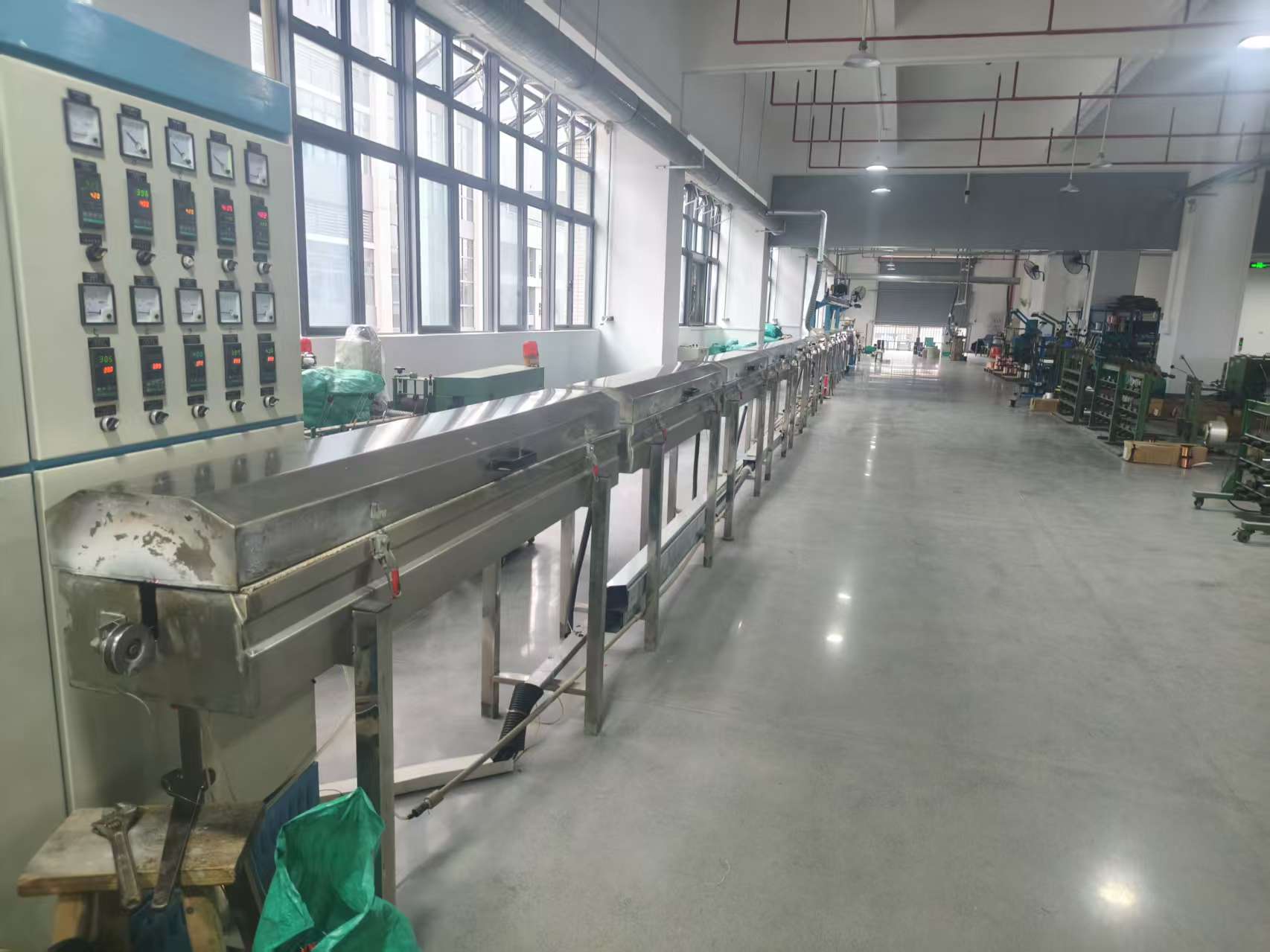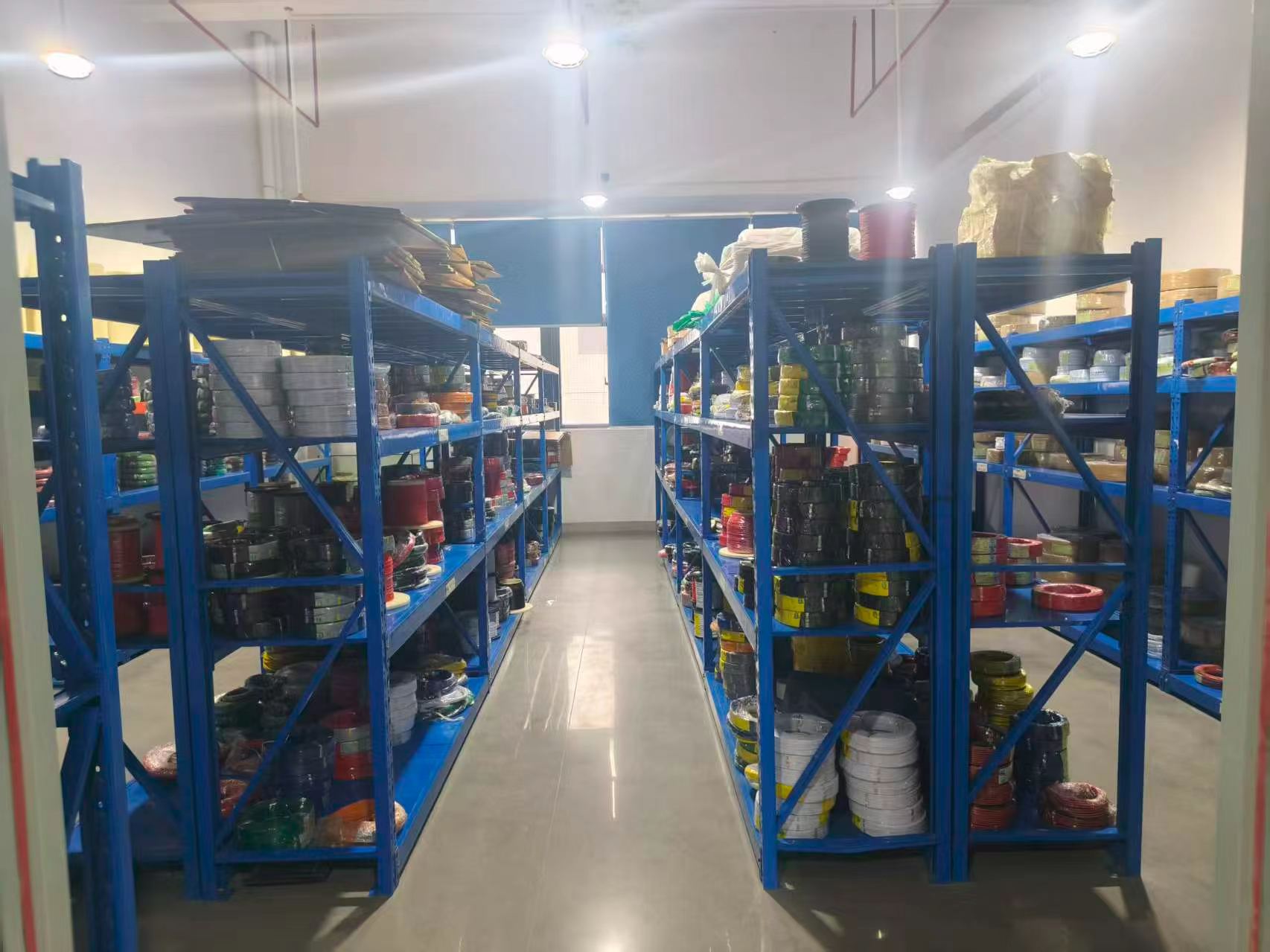
OEM cable manufacturing allows buyers to specify cable construction, dimensions, performance, packaging, and other project requirements. A clear process helps reduce misunderstandings between the buyer and manufacturer and gives both sides an agreed reference for sampling and production.
Define the project requirements
Start with the cable’s application and operating conditions. Identify what the cable connects, how it will be installed, and what it will be exposed to during use. Then gather the available drawings, technical specifications, samples, or reference part numbers.
- Conductor material, size, number of cores, and stranding
- Insulation and jacket materials, colors, and dimensions
- Voltage, current, temperature, and environmental ratings
- Flexing, bending, torsion, or other mechanical requirements
- Applicable standards, destination market, and required approvals
- Order quantity, packaging, labeling, and delivery schedule
Select a suitable manufacturer
Look for a manufacturer with experience relevant to the cable type and production process. Ask about equipment, materials, testing capability, quality controls, minimum order quantities, sample lead time, and experience with the required market or industry.
Compare quotations against the same specification. Differences in conductor material, dimensions, jacket compound, testing, packaging, or approval scope can affect both price and performance.
Approve samples and specifications
Before mass production, review a sample against the agreed requirements. Record the approved materials, dimensions, colors, markings, test results, and any permitted tolerances. Keep the approved sample and specification available as references for future orders.
Manage production and quality
Agree how production status, inspections, and test records will be shared. Depending on the project, buyers may request in-process checks, pre-shipment inspection, or third-party inspection. Define the inspection scope and acceptance criteria before production begins.
Also confirm how changes will be handled. Material substitutions, process changes, or revised markings should be reviewed and approved before implementation when they affect the agreed specification.
Prepare an OEM inquiry
A complete inquiry helps manufacturers assess feasibility and prepare a useful quotation. Include the application, technical documents or sample, target market, estimated annual and initial quantities, packaging needs, required approvals, and timing.
If some details are not yet available, state what is confirmed and what still needs development. FlexnLink can help buyers compare suitable cable and component options with manufacturing partners in Guangdong, China.
Find the right cable sourcing solution.
Share your application and requirements with our team. We’ll help you identify the next steps.
Talk to Our Team